Practical agronomic knowledge for organic agriculture.
Evidence-based guidance for organic farmers, PCAs, and Certified Crop Advisors who make nutrient and crop-management decisions.
Field questions, examined carefully.
The Organic Agronomist brings together plant nutrition, soil biology, crop management, and research interpretation. Articles distinguish established evidence from field observation and identify where important research gaps remain.
Plant Nutrition
Nutrient availability, fertilizer performance, nitrogen timing, salt index, and fertility-program design.
Soil & Biology
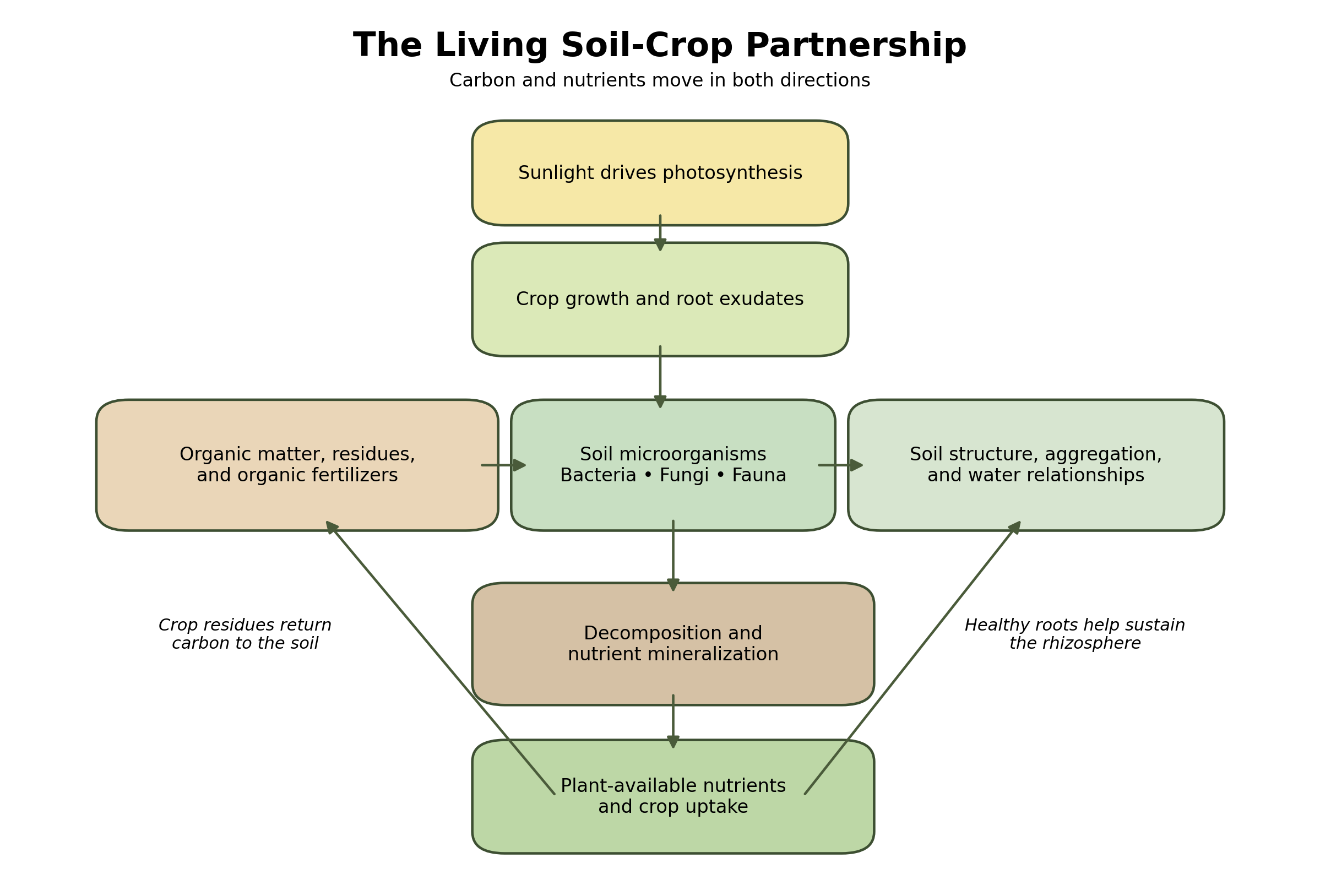
Soil health, microbial activity, organic matter, decomposition, and soil-fertilizer interactions.
Crop Management
Crop-specific agronomy connecting nutrition, pests, disease, irrigation, and seasonal timing.
Research & Field Insights
Research reviews, field observations, regulatory distinctions, and myth-versus-fact examinations.
New crop and fertility articles will be added regularly.
Each article is written for practical use in the field and supported with references, clear limitations, and downloadable resources when appropriate.
Browse All ArticlesLatest Articles
Organic fertilizer nutrients do not become plant-available automatically. Learn how soil biology, moisture, temperature, oxygen, fertilizer composition, and physical breakdown influence nutrient release and crop uptake.
Total nitrogen on a fertilizer label does not tell you how much nitrogen will become available to the crop — or when. Learn how mineralization, immobilization, soil conditions, and crop demand affect plant-available nitrogen.
High diesel prices increase the cost of tillage, fertilizer application, cultivation, spraying, and nearly every trip across the field. Learn how to identify unnecessary passes, combine operations, improve tractor efficiency, and reduce total field-operation cost without compromising crop performance.
A wet El Niño winter can increase the risk of saturated soils, nutrient losses, erosion, runoff, and limited field access. Learn practical steps growers can take before, during, and after heavy rain to protect fields and adjust fertility programs.
Agricultural biologicals can produce real benefits, but field results are often variable. Learn how to design practical trials with the right controls, replication, measurements, and economic analysis so you can determine whether a biological response is real, repeatable, and worth the cost.
Microbial consortia can combine complementary functions and sometimes outperform single-strain inoculants, but more microbial diversity does not automatically mean better results. Learn what research shows about compatibility, stability, synergy, and field performance.
Biologicals can influence root growth, water uptake, hormone signaling, nutrient acquisition, and other drought-response mechanisms, but they do not make crops drought-proof. Learn what the research shows, why field results vary, and what growers should measure before trusting drought-tolerance claims.
Microbial inoculants can influence root length, branching, root hairs, and nutrient uptake, but larger roots do not automatically mean higher yield. Learn what the research shows, why responses vary, and how growers can evaluate whether root changes provide real agronomic value.
Nitrogen-fixing microbes can improve crop performance, but that does not automatically mean they replace fertilizer nitrogen. Learn how biological nitrogen fixation works, why non-legume results vary, and what growers should measure before reducing nitrogen inputs.
Phosphate-solubilizing microbes can increase the availability of phosphorus already present in soil, but they do not create phosphorus or automatically replace fertilizer. Learn how they work, why field results vary, and what growers should measure before expecting a crop response.
Mycorrhizal fungi can improve nutrient and water acquisition, but commercial inoculants do not always deliver the same benefit. Learn what the science says about root colonization, phosphorus, product quality, and when inoculation is most likely to provide value.
Microbial inoculants can improve nutrient availability, root growth, and nutrient-use efficiency, but that does not automatically mean fertilizer can be reduced. This article explains when microbes can support crop nutrition, when fertilizer reductions may be justified, and how growers can test the claim in the field.
A microbial inoculant can contain a scientifically valid organism and still fail in the field. Learn why survival, application, root-zone placement, colonization, persistence, and native microbial competition all influence whether a biological product produces a measurable crop response.
Agricultural biologicals can improve nutrient uptake, root growth, stress tolerance, and crop performance—but field results are often inconsistent. Learn what the research shows, why microbial products vary, and how growers can evaluate whether a biological input is likely to provide a measurable return.
Salt index is often misunderstood in organic agriculture. Learn why organic fertilizers are not automatically low in salts, why soluble fertilizers behave differently, and how fertilizer chemistry, application concentration, placement, and soil moisture influence crop safety.
Mycorrhizal fungi can improve phosphorus acquisition, drought response, and crop performance—but not in every field. This evidence-based guide explains how mycorrhizae work, when inoculants may help, and when managing the native fungal community may be the better strategy.
Molasses provides readily available carbon that supports soil microbial activity and influences nutrient cycling. Learn how carbon and nitrogen interact, why soil conditions matter, and how molasses fits into an effective organic fertility program.
Fertilizer ratios can create nutrient surpluses when one nutrient is applied to meet crop demand while others are supplied in excess. Learn how surplus nitrogen, phosphorus, and potassium behave in soil—and why nutrient balance matters.
Micronutrients can limit crop performance long before visible deficiency symptoms appear. Learn how soil conditions, root function, tissue testing, and targeted correction help identify and manage these quiet yield limiters.
Discover why nitrogen availability during the final 30 days before harvest is critical for organic lettuce yield and quality. Learn how soil testing, better fertilizer timing, and supplemental liquid nitrogen can improve nutrient efficiency while reducing unnecessary applications.
Learn how soil organisms break down organic fertilizers and release nutrients. Build an organic fertility program that supports living soil and meets crop demand at the right time.
A practical guide to organic tomato nutrition: use soil and tissue tests, match nitrogen availability to crop growth, and manage irrigation to protect fruit quality.
Explore the role of ammonium in strawberry nutrition and what research reveals about nitrogen form, crop uptake, and timing. Learn how to coordinate preplant inputs, in-season feeding, irrigation, and field monitoring in an organic strawberry program.
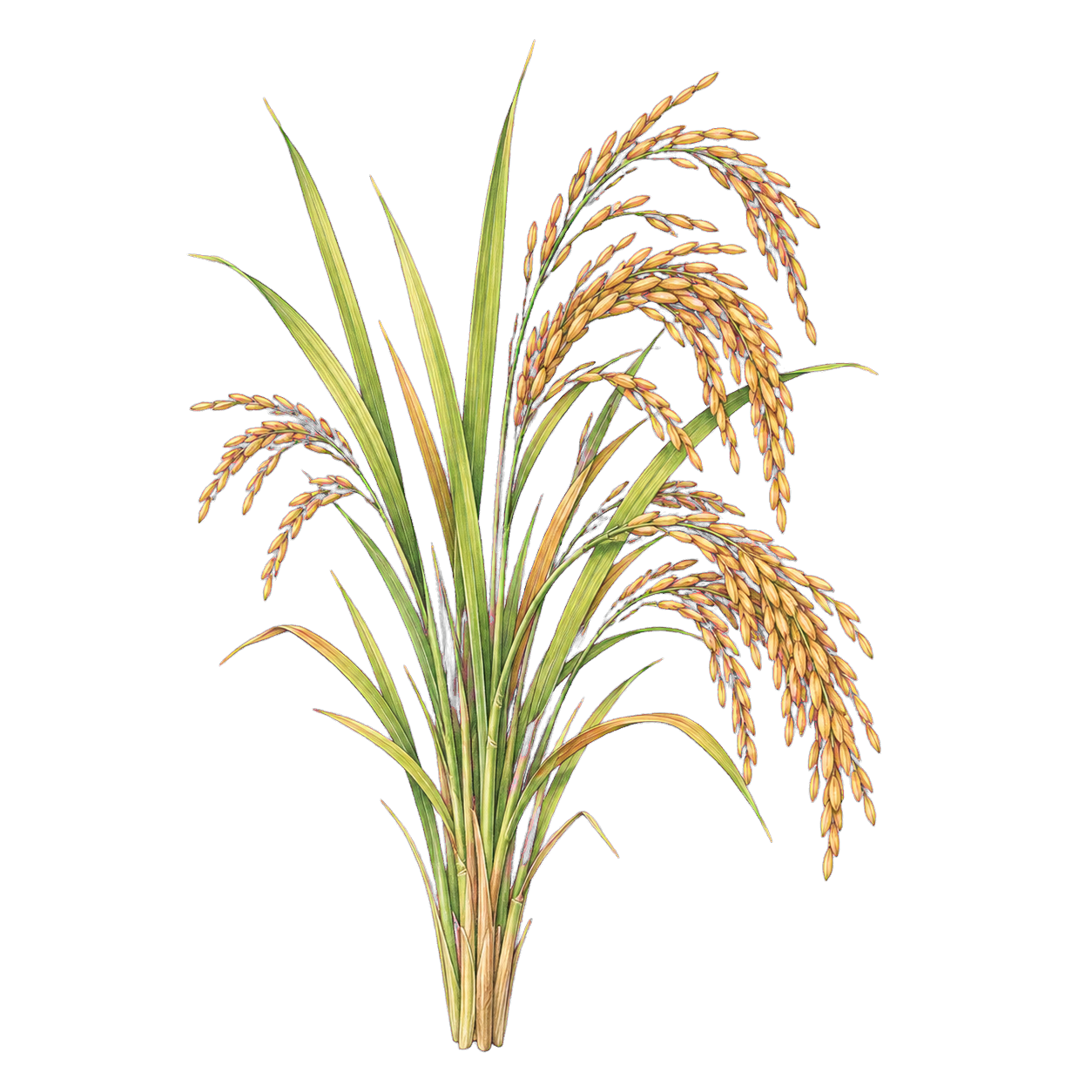
Successful organic rice production brings nitrogen availability, water management, crop establishment, and weed prevention together. Learn how coordinating these practices with crop growth can support a productive organic rice crop.
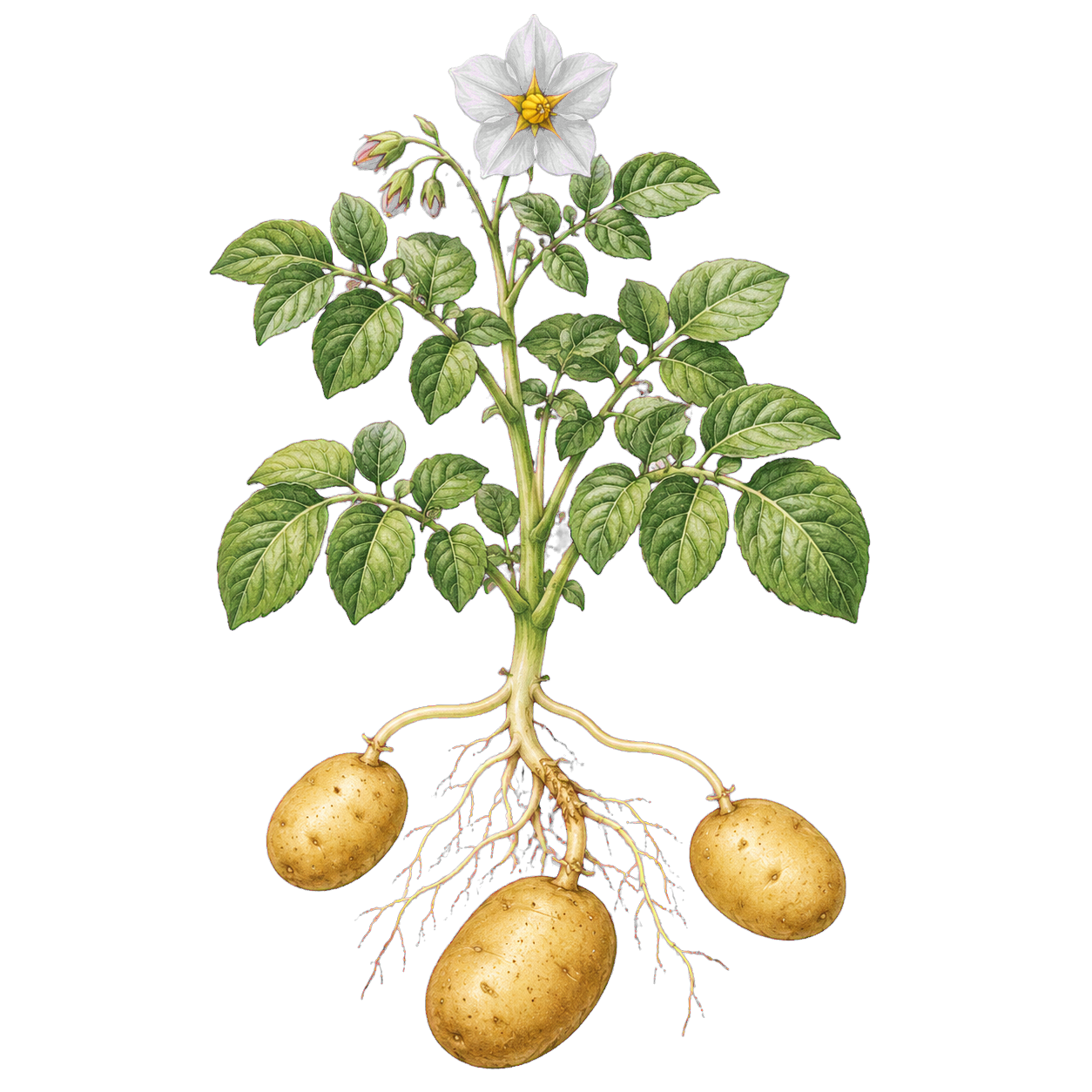
Successful organic potato production matches nitrogen availability to crop growth. Learn how nutrient timing, tissue testing, and irrigation management support tuber bulking, maturity, and quality.
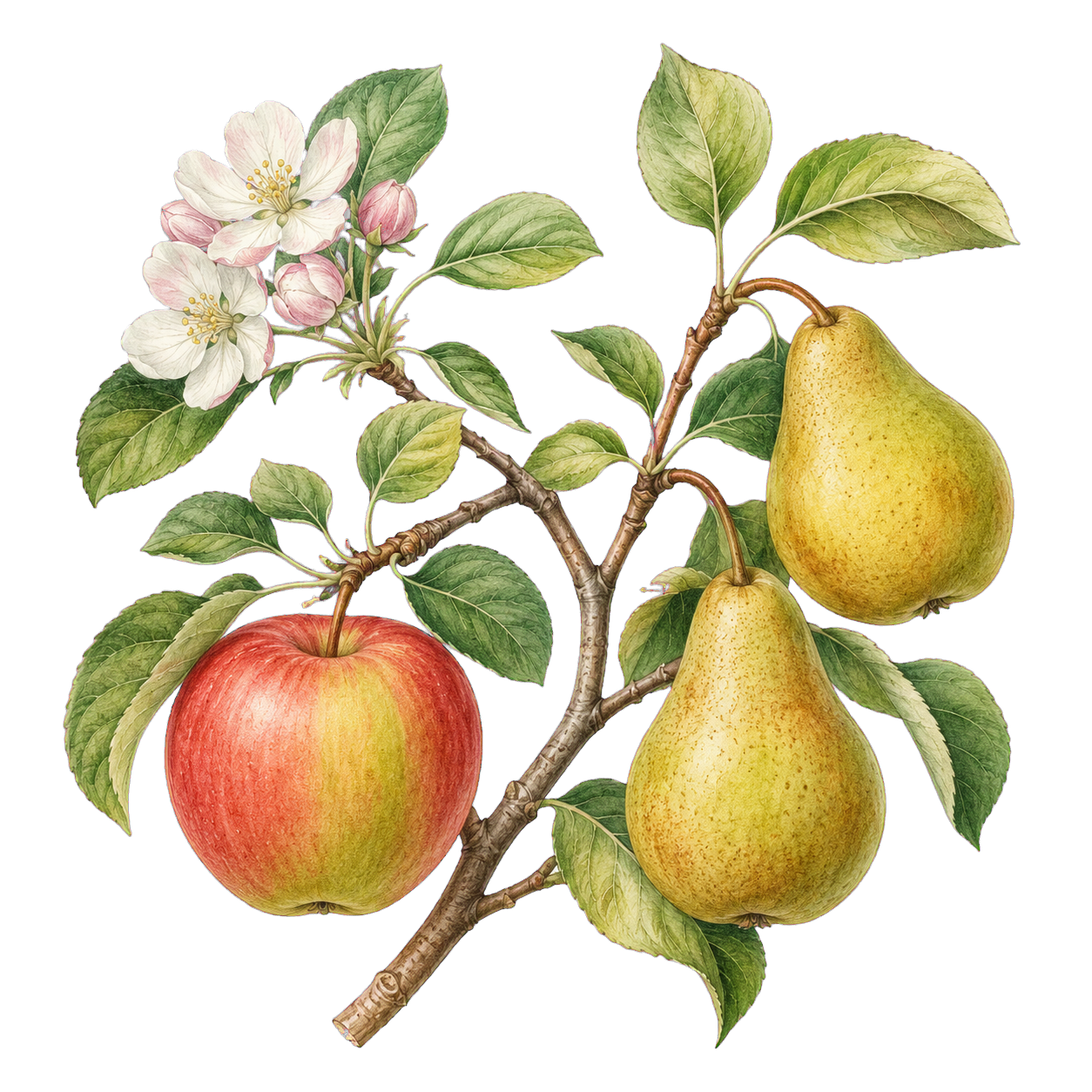
Successful organic apple and pear production balances nitrogen availability with crop load and tree vigor. Learn how nutrient timing, soil and tissue testing, and orchard observations support productive trees and fruit quality.
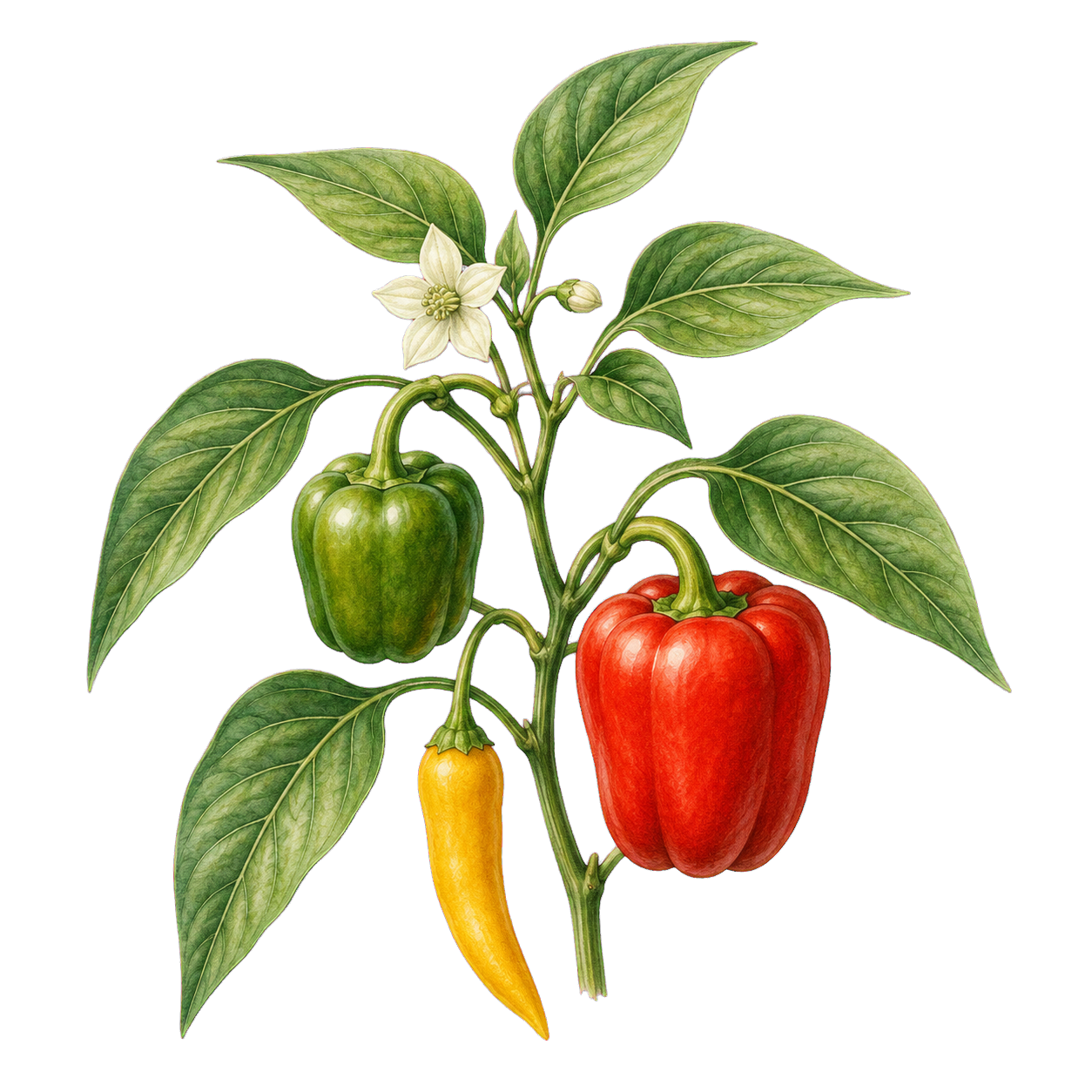
Successful organic pepper production supports plant growth, fruit set, and a long harvest season. Learn how nitrogen availability, irrigation, and crop observations help growers maintain productive plants and fruit quality.
.Equal nitrogen analyses do not guarantee equal crop response. Organic nitrogen sources differ in chemical form, dependence on mineralization, accompanying nutrients, and timing of plant availability.
Organic cane berries must support this year’s fruit while building next year’s canes. Learn how nutrient timing, fertilizer release, root health, irrigation, and tissue testing work together.
A practical guide to matching nitrogen supply to crop demand and tree vigor in organic peaches, nectarines, plums, and prunes. Includes COFI fertilizer rates and application timing.