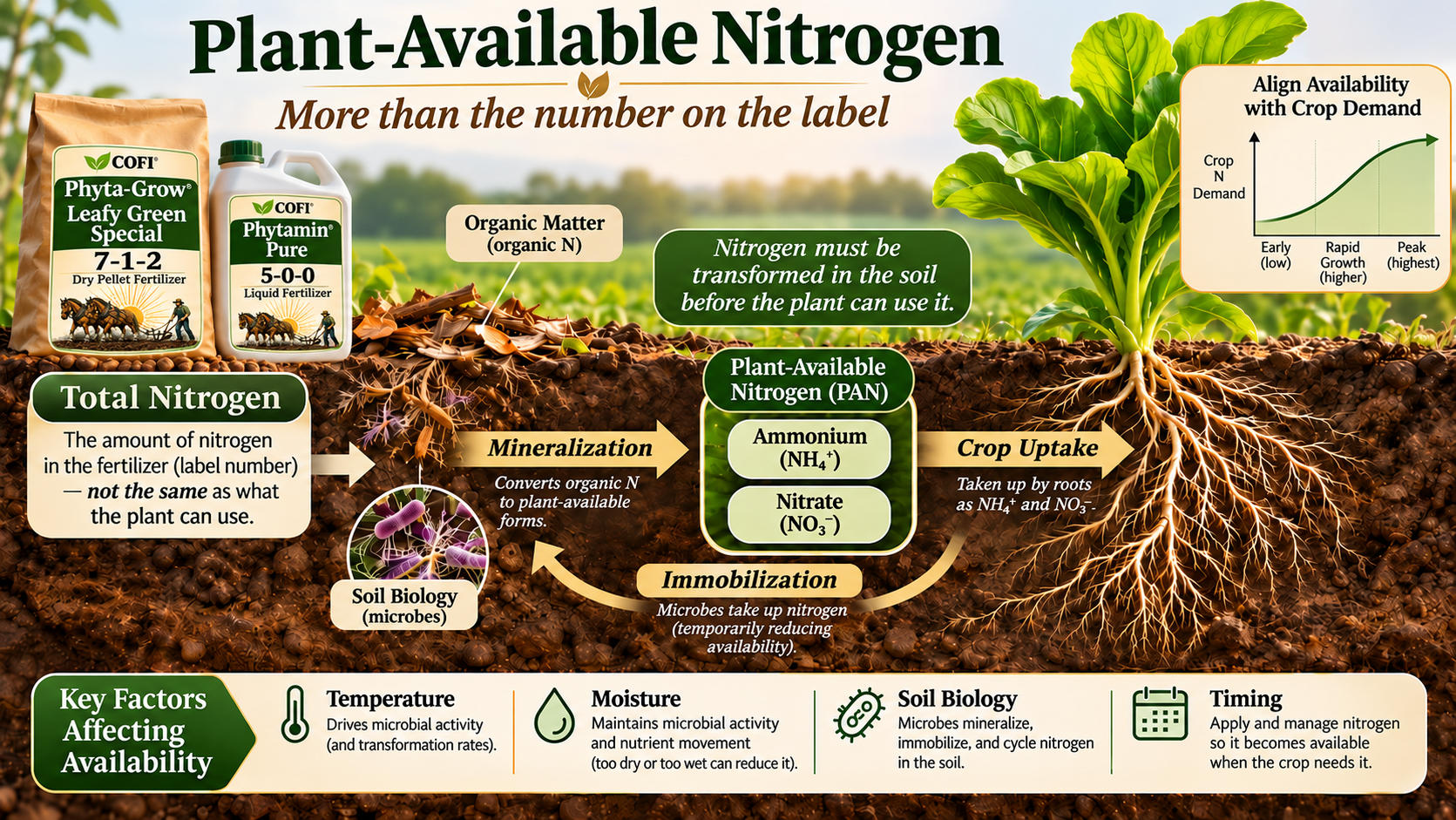
Why Plant-Available Nitrogen Matters More Than the Number on the Fertilizer Label
Total nitrogen on a fertilizer label does not tell you how much nitrogen will become available to the crop — or when. Learn how mineralization, immobilization, soil conditions, and crop demand affect plant-available nitrogen.
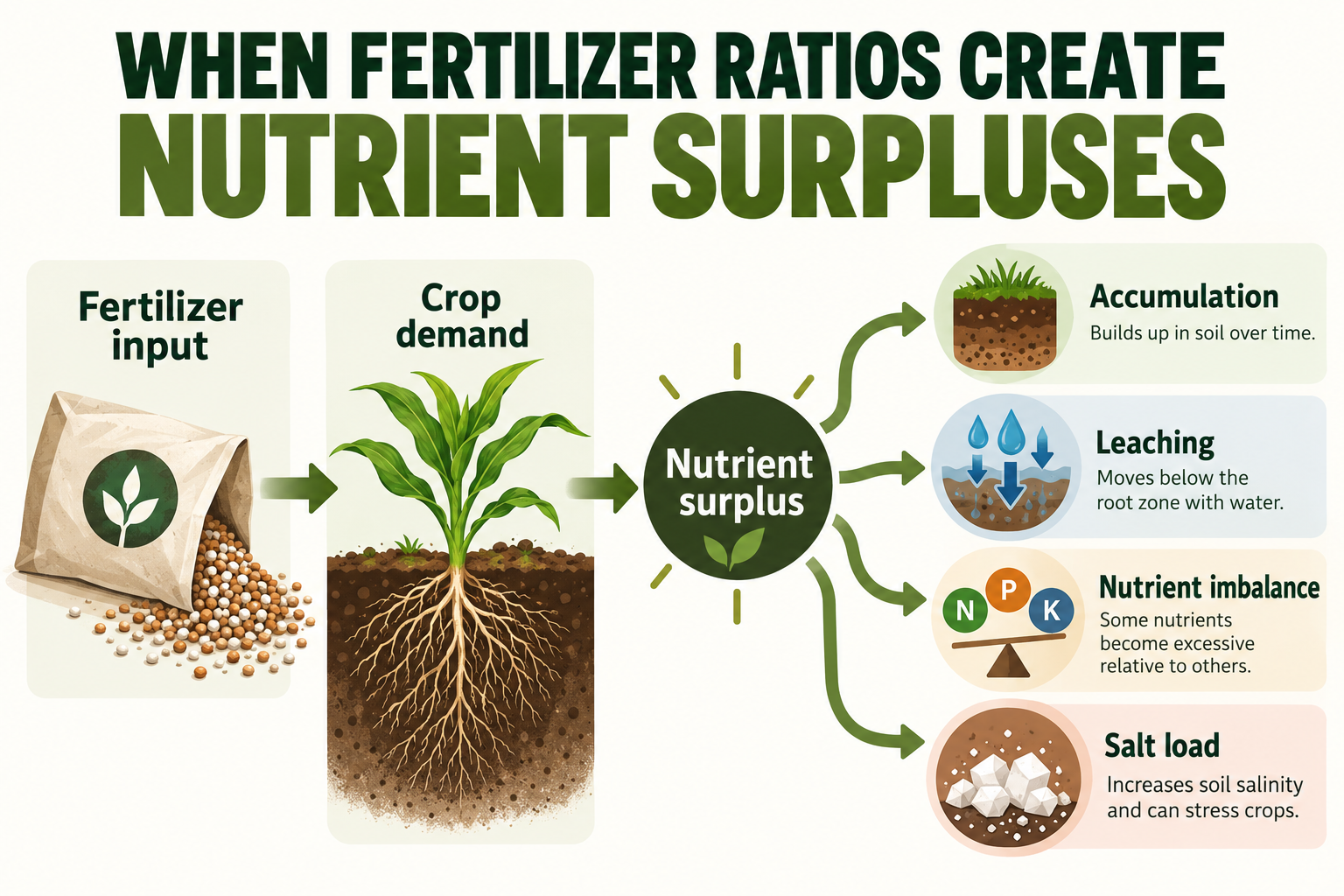
When Fertilizer Ratios Create Nutrient Surpluses
Fertilizer ratios can create nutrient surpluses when one nutrient is applied to meet crop demand while others are supplied in excess. Learn how surplus nitrogen, phosphorus, and potassium behave in soil—and why nutrient balance matters.
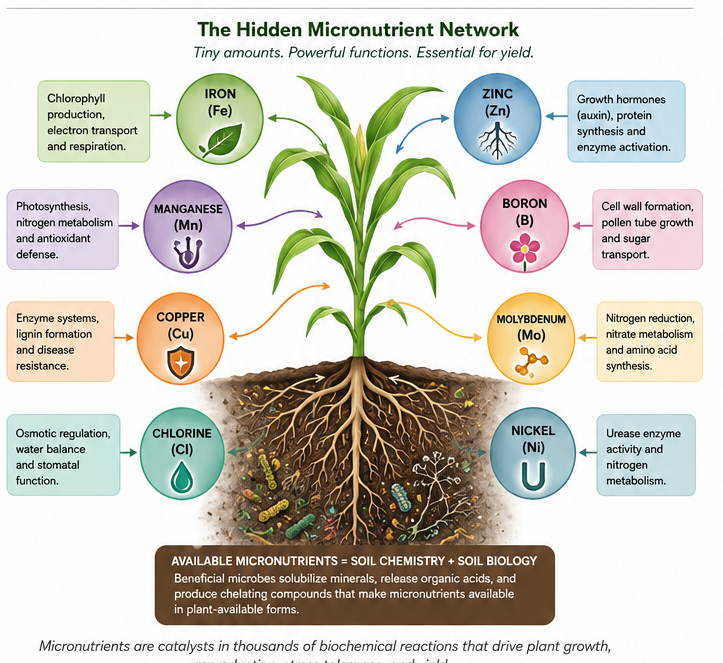
Micronutrients: The Quiet Yield Limiters
Micronutrients can limit crop performance long before visible deficiency symptoms appear. Learn how soil conditions, root function, tissue testing, and targeted correction help identify and manage these quiet yield limiters.
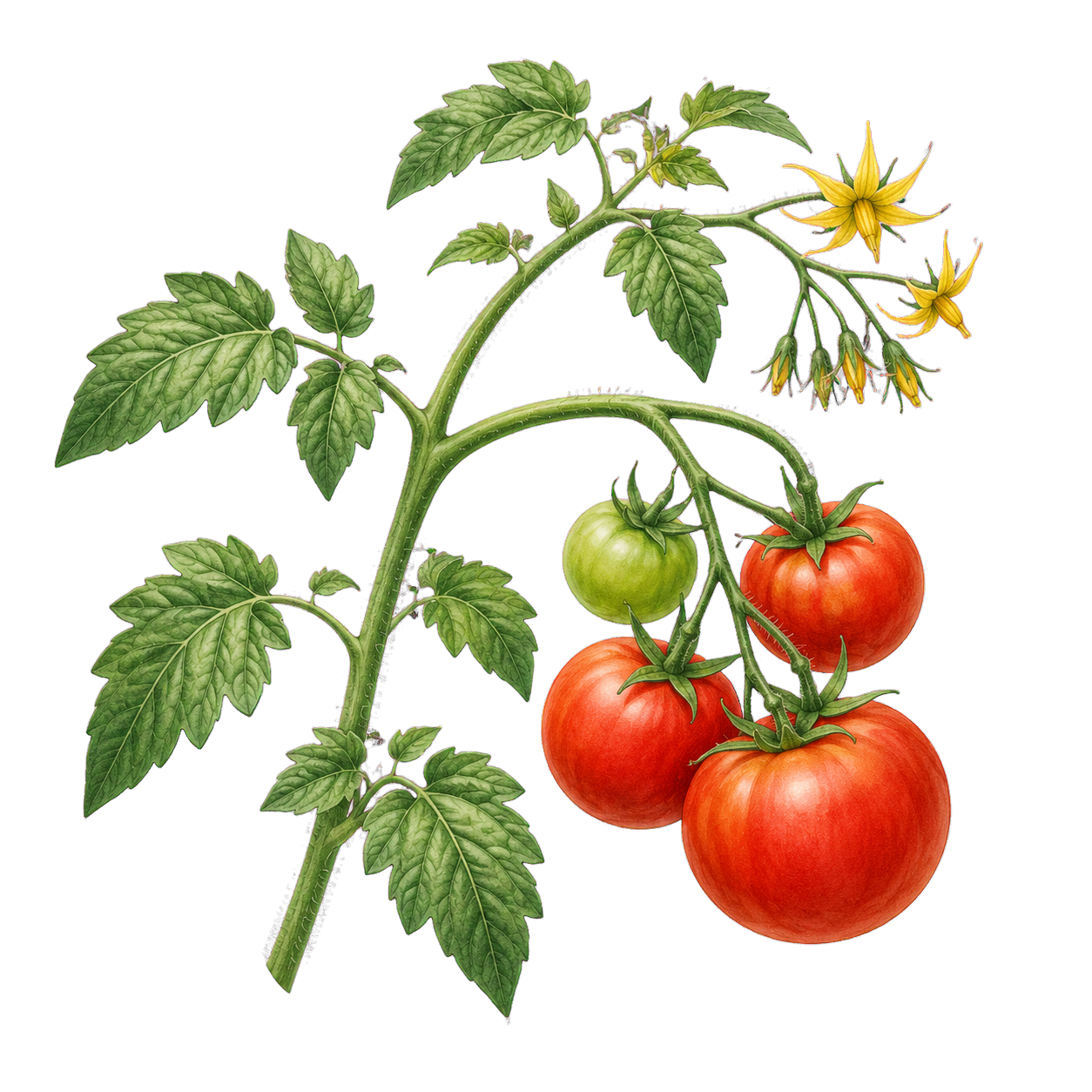
Growing Organic Tomatoes
A practical guide to organic tomato nutrition: use soil and tissue tests, match nitrogen availability to crop growth, and manage irrigation to protect fruit quality.

Growing Organic Strawberries
Explore the role of ammonium in strawberry nutrition and what research reveals about nitrogen form, crop uptake, and timing. Learn how to coordinate preplant inputs, in-season feeding, irrigation, and field monitoring in an organic strawberry program.

Growing Organic Stone Fruit: Matching Nitrogen Supply to Crop Demand and Tree Vigor
A practical guide to matching nitrogen supply to crop demand and tree vigor in organic peaches, nectarines, plums, and prunes. Includes COFI fertilizer rates and application timing.

Growing Organic Rice: Protect Nitrogen with Placement and Water Management
Successful organic rice production brings nitrogen availability, water management, crop establishment, and weed prevention together. Learn how coordinating these practices with crop growth can support a productive organic rice crop.

Growing Organic Potatoes: Feed Tuber Bulking, Then Protect Maturity and Quality
Successful organic potato production matches nitrogen availability to crop growth. Learn how nutrient timing, tissue testing, and irrigation management support tuber bulking, maturity, and quality.

Growing Organic Pome Fruit: Balance Nitrogen, Crop Load, and Tree Vigor
Successful organic apple and pear production balances nitrogen availability with crop load and tree vigor. Learn how nutrient timing, soil and tissue testing, and orchard observations support productive trees and fruit quality.

Growing Organic Peppers: Matching Nitrogen to Fruit Set and a Long Harvest
Successful organic pepper production supports plant growth, fruit set, and a long harvest season. Learn how nitrogen availability, irrigation, and crop observations help growers maintain productive plants and fruit quality.

The Difference Between Organic Nitrogen Sources: Why equal nitrogen analyses can produce very different crop responses.
.Equal nitrogen analyses do not guarantee equal crop response. Organic nitrogen sources differ in chemical form, dependence on mineralization, accompanying nutrients, and timing of plant availability.
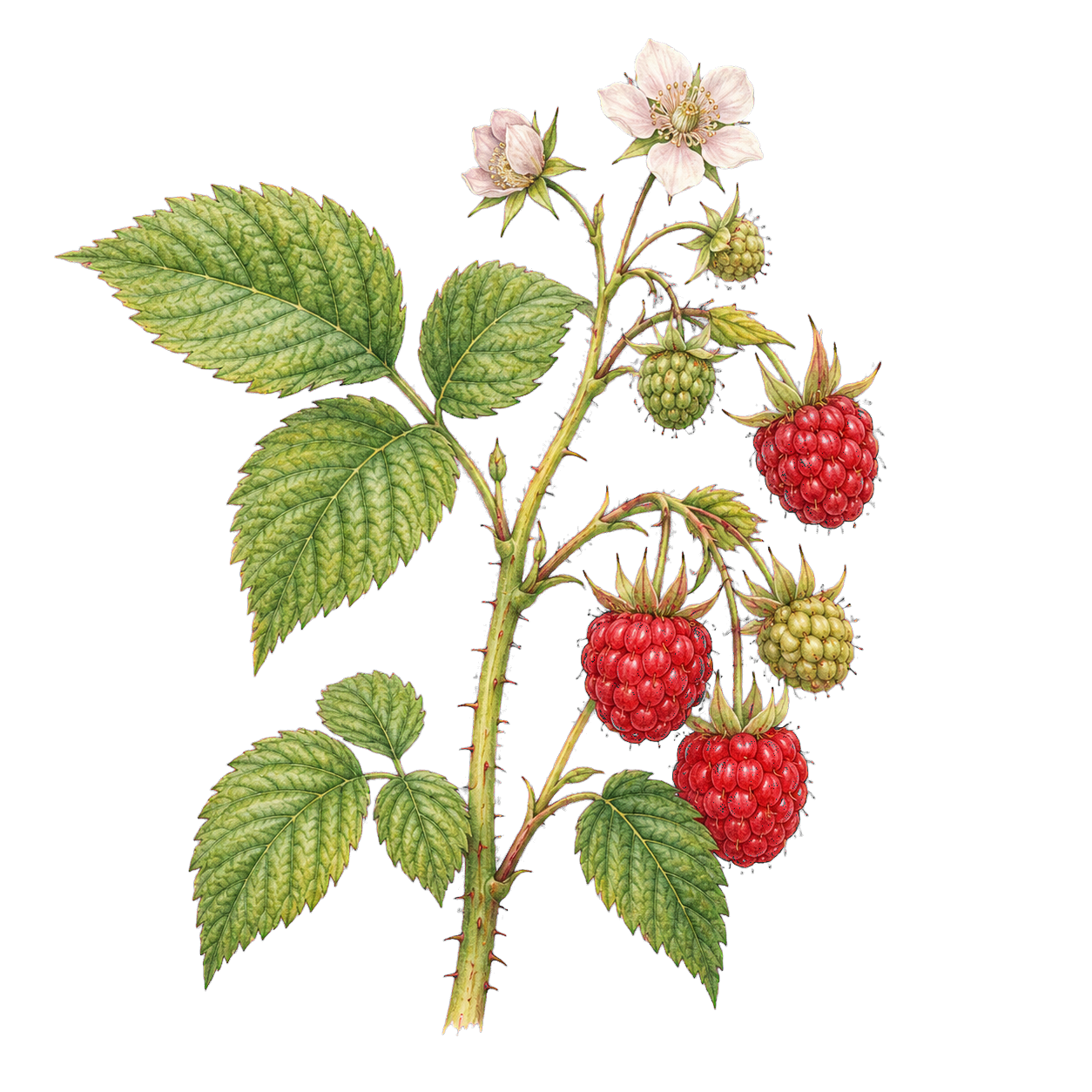
Growing Organic Cane Berries: Managing Nutrition for This Year's Fruit and Next Year's Canes
Organic cane berries must support this year’s fruit while building next year’s canes. Learn how nutrient timing, fertilizer release, root health, irrigation, and tissue testing work together.

Organic Cucurbits: Matching Nitrogen to Bloom, Fruit Set, and Harvest
A practical guide to organic cucurbit nutrition: match nitrogen availability to vine growth, bloom, fruit set, and harvest to support balanced growth and productive crops.

Growing Organic Baby Leafy Greens: Why Timing Matters More Than Total Fertility
A practical guide to growing organic baby leafy greens: support uniform emergence, match plant-available nitrogen to crop demand, and coordinate irrigation and early prevention for a productive short season.