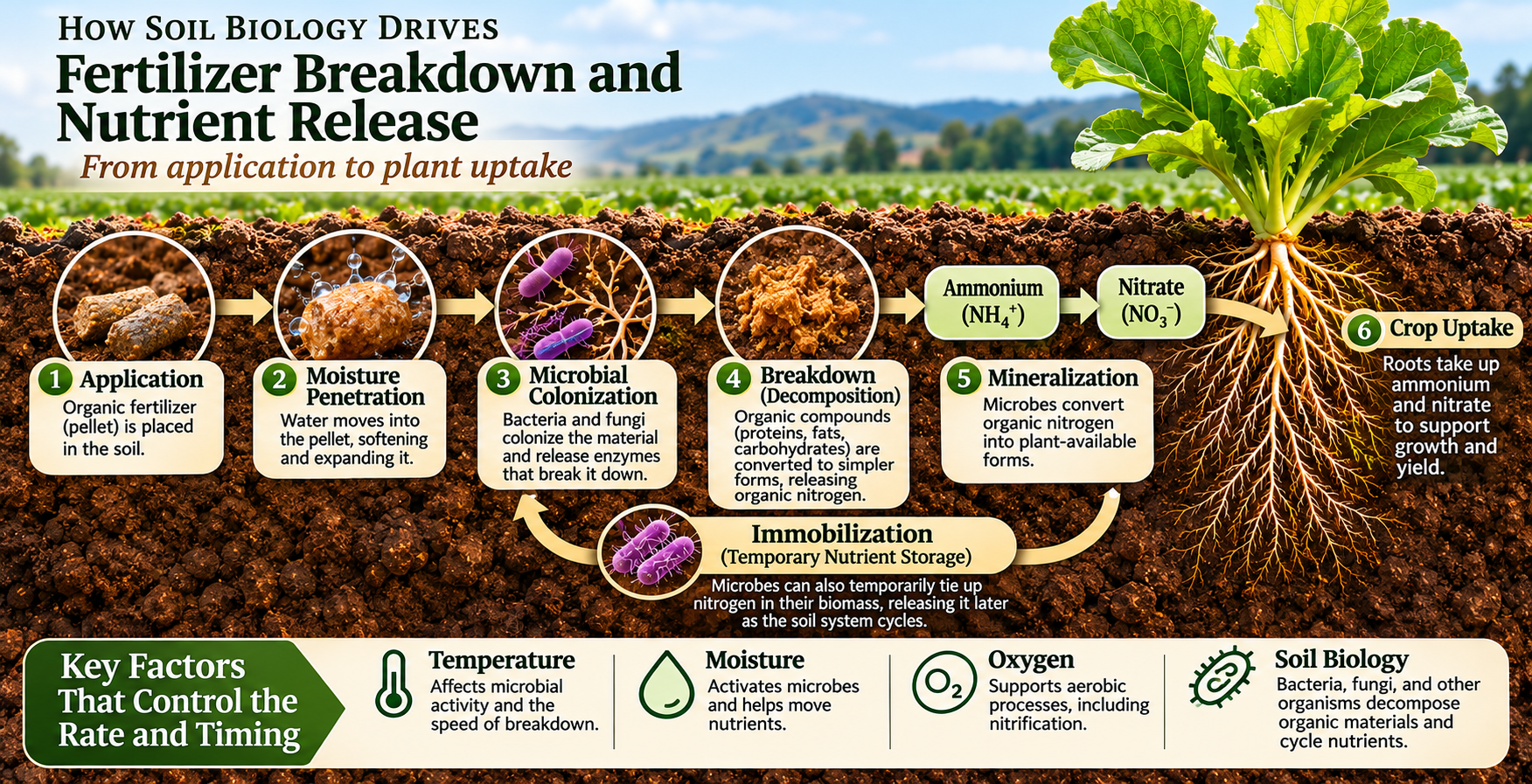
How Soil Biology Drives Fertilizer Breakdown and Nutrient Release
Organic fertilizer nutrients do not become plant-available automatically. Learn how soil biology, moisture, temperature, oxygen, fertilizer composition, and physical breakdown influence nutrient release and crop uptake.
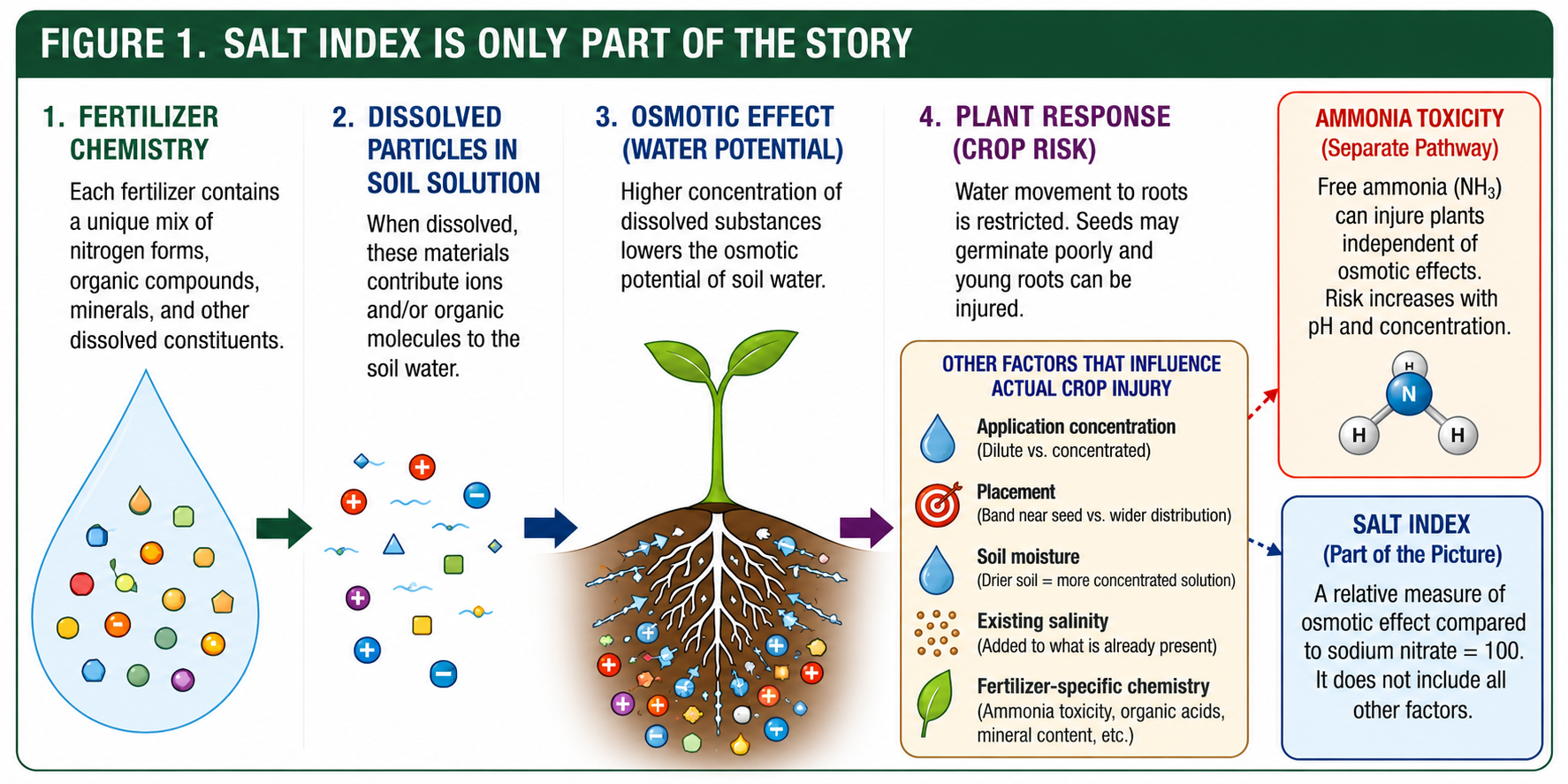
Understanding Salt Index in Organic Fertilizers: What the Number Really Means Copy title
Salt index is often misunderstood in organic agriculture. Learn why organic fertilizers are not automatically low in salts, why soluble fertilizers behave differently, and how fertilizer chemistry, application concentration, placement, and soil moisture influence crop safety.
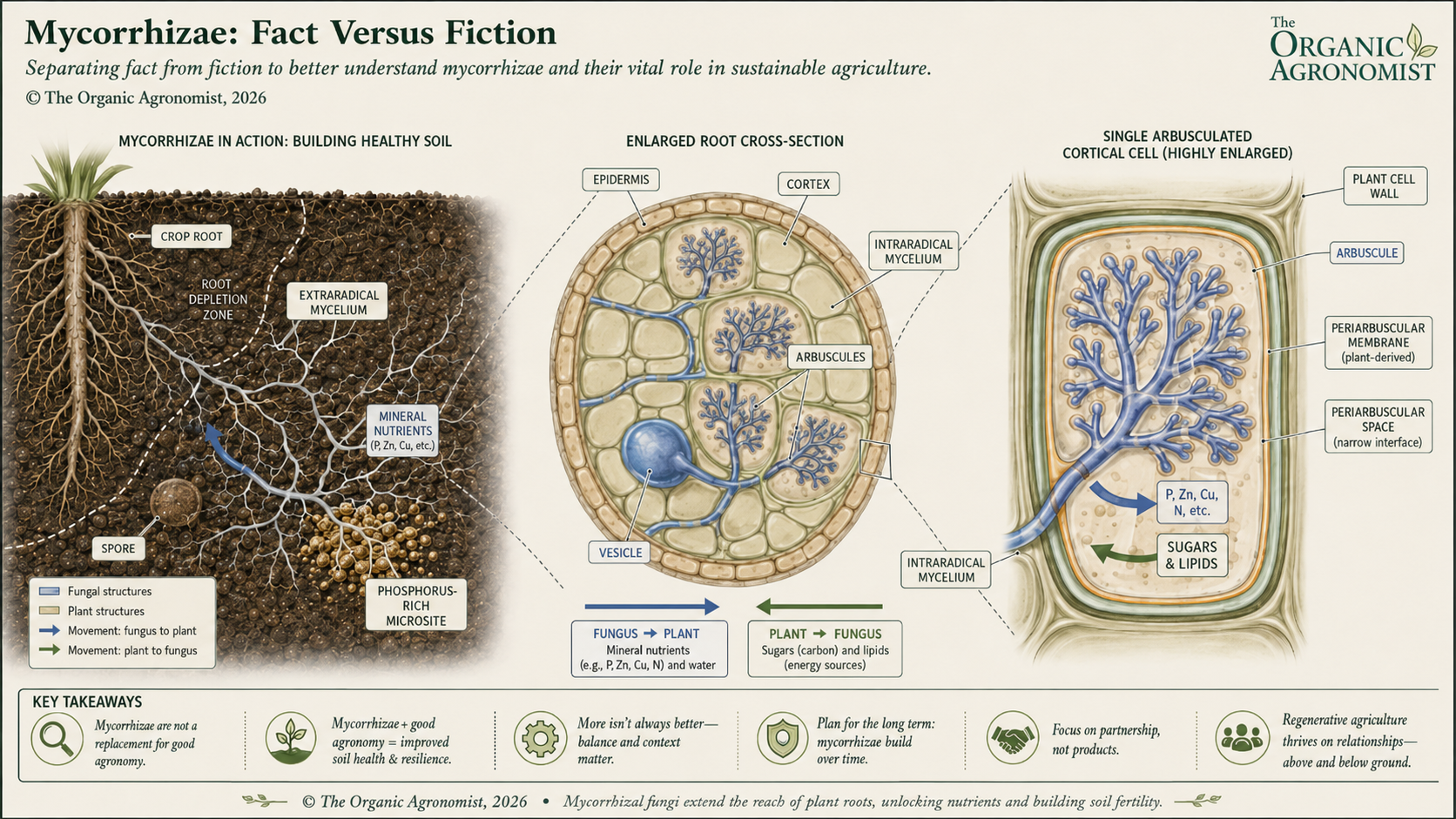
Mycorrhizae: Fact Versus Fiction
Mycorrhizal fungi can improve phosphorus acquisition, drought response, and crop performance—but not in every field. This evidence-based guide explains how mycorrhizae work, when inoculants may help, and when managing the native fungal community may be the better strategy.
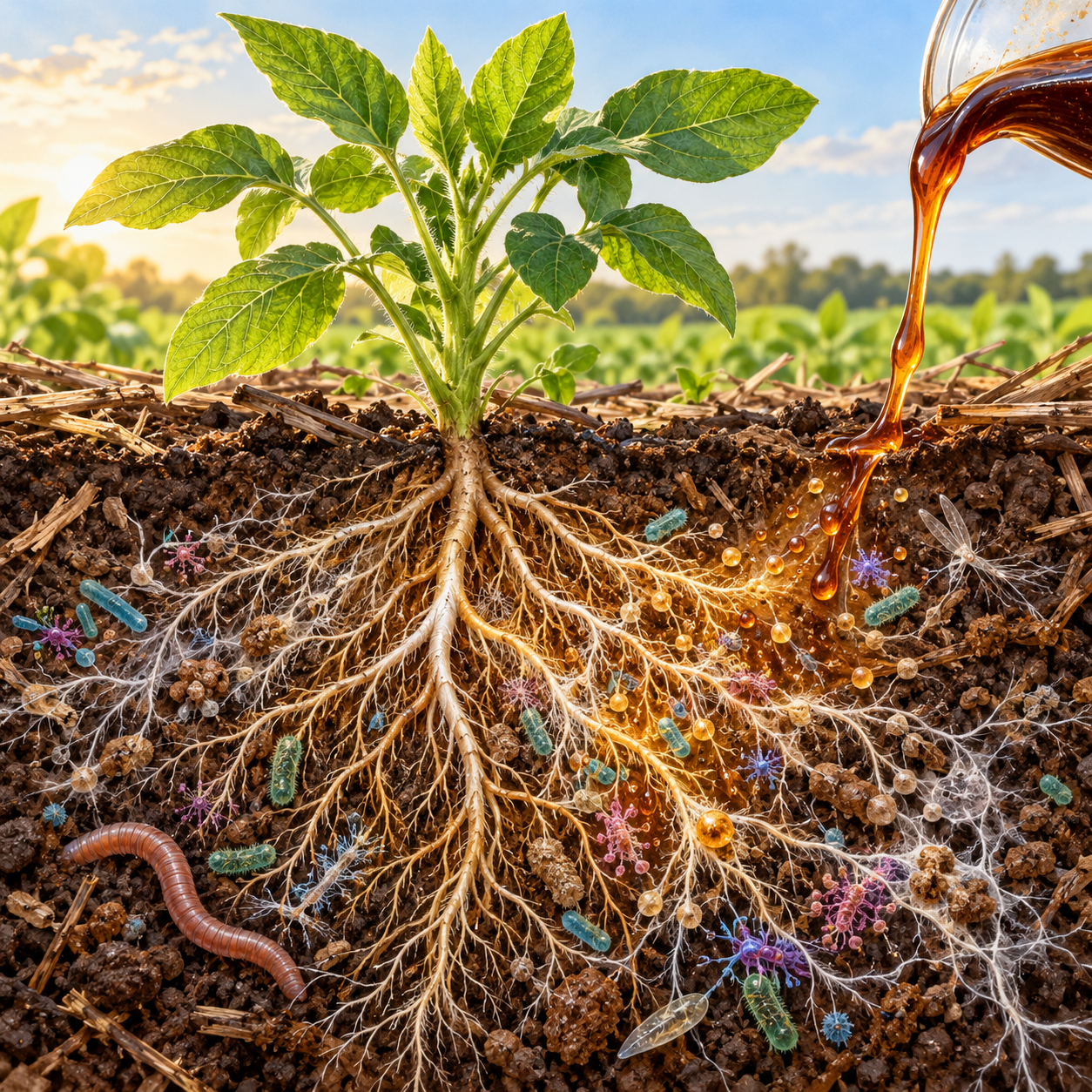
Molasses and Soil Biology: Understanding the Role of Readily Available Carbon
Molasses provides readily available carbon that supports soil microbial activity and influences nutrient cycling. Learn how carbon and nitrogen interact, why soil conditions matter, and how molasses fits into an effective organic fertility program.

Feed the Soil, Feed the Crop: The Real Goal of Organic Fertility
Learn how soil organisms break down organic fertilizers and release nutrients. Build an organic fertility program that supports living soil and meets crop demand at the right time.

Growing Organic Blueberries: Managing the Root Zone for Yield and Plant Health
A practical guide to growing organic blueberries: manage soil acidity, irrigation-water alkalinity, nitrogen form, drainage, compost, and weeds to support healthy roots and productive plants.